“about Ethiopia” search results (4000)

Ethiopian Fine Coffee introduction Ethiopia Fine Coffee Origin introduction Ethiopia Russia
1. Limu coffee grows between 1400 meters and 2000 meters above sea level. Wash the coffee. Excellent quality, with strong nut aromas, suitable acidity, with the intensity of wine. The annual output is 29000 tons. 2. Jima Coffee grows between 1400 and 1800 meters above sea level. Sun-baked coffee. Slightly sour, with nutty aromas and a long finish. The annual output is 70000 tons. 3. Growth of Gamby Coffee
2016-03-29 Ethiopia quality boutique coffee introduction origin mahogany
The hometown of coffee-Ethiopia
Ethiopia is one of the major producers of Arabica coffee in Africa, producing the best Arabian coffee in the world. It is said that coffee was first discovered by shepherds in Essekafa, and the name of coffee evolved from Kafa, so Essex is still the hometown of coffee.
2014-08-18 Coffee knowledge Ethiopia hometown of coffee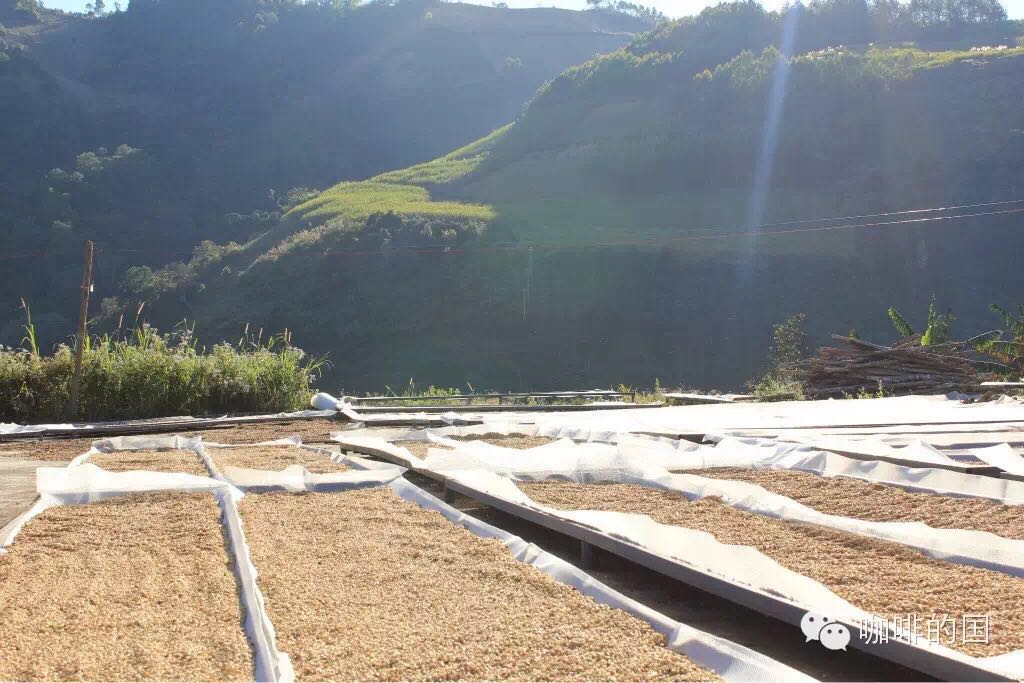
Ethiopia Yega Ficochel kochere washed G2 boutique coffee Yega snow coffee ripe beans
Ethiopia Washed Yirgacheffe Kochere G2 country: Ethiopia Grade: G2 producing area: Yejia Chuefei Baking degree: shallow Baking method: washing Variety: local Native Flavor: Jasmine Flavor, Lemon, Bergamot, Honey, Black Tea Cochel is located in a small producing area 25 kilometers southeast of Yega Chuefei, Ethiopia.
2016-03-25 Ethiopia Yega Sheffiko Cher kochere washing boutique
Coffee from Ethiopia
The coffee tree originated in Ethiopia, where it was originally a wild plant, and the name "coffee" comes from the Ethiopian town of Kaffa.
2014-06-19 Coffee Knowledge Coffee Origin Ethiopia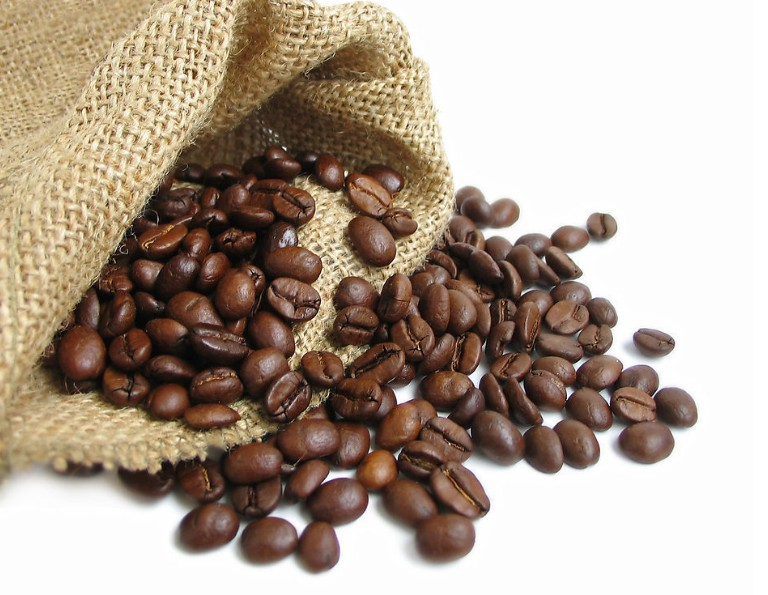
Natural fermentation, mellow and sun-dried Ethiopian coffee flavor, characteristics, taste and manor introduction
Ethiopia has unique natural conditions suitable for growing all imaginable varieties of coffee. As a upland crop, Ethiopian coffee beans are mainly grown in areas between 1100 and 2300 meters above sea level, roughly distributed in southern Ethiopia. Deep soil, well drained soil, weakly acidic soil, laterite and soil are soft and contain
2016-08-31 Natural fermented mellow solarization Ethiopia coffee flavor characteristics taste
Variety characteristics of fermented Natural Solar Ethiopian Coffee introduction to Fine Coffee Bean in Manor
Ethiopia has unique natural conditions suitable for growing all imaginable varieties of coffee. As a upland crop, Ethiopian coffee beans are mainly grown in areas between 1100 and 2300 meters above sea level, roughly distributed in southern Ethiopia. Deep soil, well drained soil, weakly acidic soil, laterite and soil are soft and contain
2016-09-02 Fermentation Natural Solar Ethiopia Coffee varieties characteristics Taste Manor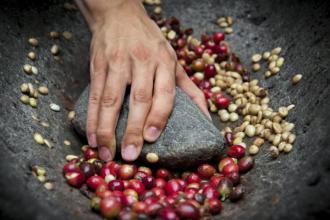
Taste characteristics of Solar fermented Natural Ethiopian Coffee introduction to Fine Coffee Bean in Manor
Ethiopia has unique natural conditions suitable for growing all imaginable varieties of coffee. As a upland crop, Ethiopian coffee beans are mainly grown in areas between 1100 and 2300 meters above sea level, roughly distributed in southern Ethiopia. Deep soil, well drained soil, weakly acidic soil, laterite and soil are soft and contain
2016-09-03 Sun fermentation Natural Ethiopia Coffee varieties Taste characteristics Manor
Coffee beans Africa Ethiopia
The birthplace of coffee-the Ethiopian coffee tree originated from Ethiopia (Ethiopia), it was originally a wild plant here, and the name coffee comes from the Ethiopian town of Kaffa. In fact, many coffee trees in Ethiopia are still wild plants, and the coffee grown on this coffee tree is full-grained and slightly alcoholic. Humans may have been around as early as the 9th century
2014-09-22 Coffee beans Africa Ethiopia
Characteristics of natural fermented, mellow and insolated Ethiopian coffee varieties taste manor boutique coffee bean flavor
Ethiopia has unique natural conditions suitable for growing all imaginable varieties of coffee. As a upland crop, Ethiopian coffee beans are mainly grown in areas between 1100 and 2300 meters above sea level, roughly distributed in southern Ethiopia. Deep soil, well drained soil, weakly acidic soil, laterite and soil are soft and contain
2016-09-01 Natural fermented mellow solarization Ethiopia coffee varieties characteristics taste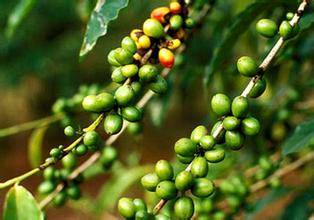
Introduction to the characteristic flavor of four forms of Ethiopian coffee beans grown and produced in Ethiopia coffee
Growth and production patterns: there are four growth production patterns in Ethiopia, and 95% of coffee is produced from these types or systems. 1. Forest grows in southern and southwestern Ethiopia, mostly wild or under natural forests. It provides natural shade for coffee trees, but the resistance is slightly weak. This production system accounts for about
2016-01-23 Esso Biya coffee growth production 4 species morphology Ethiopia coffee beans
Ethiopia Yega Xuefei is close to the floral taste and is wilder, sweeter and thicker than the coffee bean market.
Today, there are still a large number of wild Arabica coffee trees growing in many parts of Ethiopia, averaging between 4200 and 6800 feet above sea level. Now there is a trend of small cultivation, generally planting banana trees for shade at the same time, but due to lack of agricultural technology, herbicides and pesticides are less used. Coffee is Ethiopia's main economic crop and the largest in the country.
2016-04-19 Ethiopia Yega Sheffield close fragrant taste wild sweet thick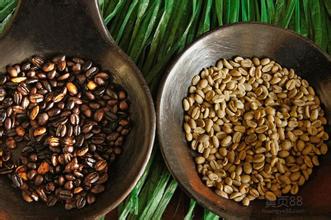
Boutique Coffee introduction to the coffee industry in Ethiopia
Ethiopian coffee is one of the objects studied by many coffee people, and the export of Ethiopian coffee is also very influential in the international arena. Coffee is Ethiopia's most important export cash crop and the main source of Ethiopia's foreign exchange earnings. Ethiopia's coffee exports account for about 3% of the world market, making it the eighth largest coffee exporter in the world. Coffee export volume from 1990 to 1991
2015-12-08 Boutique coffee Ethiopia introduction
Characteristics of Flavor and Taste of Coffee Manor in Ethiopia
In December 1994, the Constitution of the Federal Democratic Republic of Ethiopia was formulated. According to the Constitution, Ethiopia will implement a federal system and a parliamentary cabinet system after the general election for a term of five years. After the national election in May 1995, the Federal Democratic Republic of Ethiopia was established on August 22, and Meles became prime minister in her capacity as chairman of the majority party of the people's House of Representatives. On May 14, 2000, Ethiopia held a national meeting
2016-09-21 Ethiopia coffee manor producing area flavor taste characteristics boutique coffee beans
Flavor description of Ethiopian Coffee introduction to planting Environment
Large-scale coffee-growing villages account for about 35% of the country's total coffee production. These coffee farms, which use a multi-tier coffee planting system, are carefully cared for. Coffee farmers do not use chemical fertilizers, but use fallen leaves and animal and plant debris to increase soil nutrition. In addition to coffee, farmers also frequently grow non-coffee crops. It even accounts for the total amount of coffee in the country.
2016-09-19 Ethiopia coffee flavor description planting environment introduction large area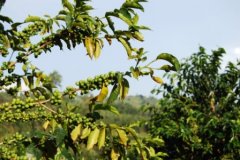
The birthplace of coffee-Ethiopian fine coffee
Ethiopia (Ethiopia) The birthplace of coffee-Ethiopian coffee tree originated in Ethiopia (Ethiopia), it was originally a wild plant here, coffee this name comes from Ethiopia's small town Kaffa (Kaffa). In fact, many coffee trees in Ethiopia are still wild plants, and the coffee grown on this coffee tree is full and slightly alcoholic.
2016-05-31 coffee origin ethiopia boutique
Ethiopia, the producer of world boutique coffee.
The birthplace of coffee-Ethiopia. The coffee tree originated in Ethiopia, which was originally a wild plant here, and the name coffee comes from the Ethiopian town of Kaffa. In fact, many coffee trees in Ethiopia are still wild plants, and the coffee grown on this coffee tree is full-grained and slightly alcoholic. Humans may have lived as early as the 9th century
2014-09-17 Coffee knowledge world boutique coffee producing area Ethiopia
The Origin of Coffee trees in Ethiopia
The birthplace of coffee-Ethiopia. The coffee tree originated in Ethiopia, which was originally a wild plant here, and the name coffee comes from the Ethiopian town of Kaffa. In fact, many coffee trees in Ethiopia are still wild plants, and the coffee grown on this coffee tree is full-grained and slightly alcoholic. Humans may have been in the 9th century.
2016-06-03 Ethiopia coffee origin
An introduction to the coffee industry in Ethiopia
Ethiopia is one of the major producers of Arabica coffee in Africa, producing the best Arabian coffee in the world. It is said that coffee was first discovered by shepherds in Essekafa, and the name of coffee evolved from Kafa, so Essex is still the hometown of coffee. The geographical environment of coffee production and processing is very suitable for coffee growth. Coffee is mainly cultivated.
2014-06-27 Ethiopia coffee industry coffee production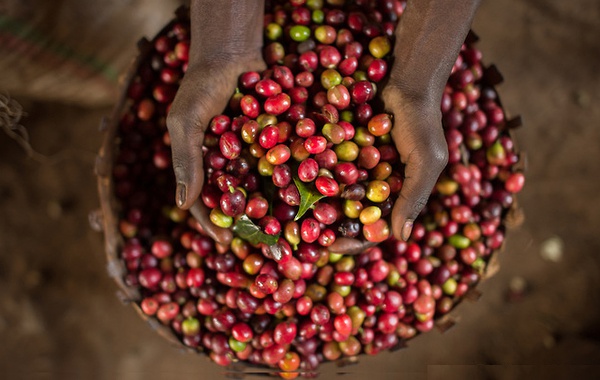
Coffee from Ethiopia, the birthplace of coffee, introduces how Ethiopian coffee powder
Ethiopia is one of the major producers of Arabica coffee in Africa, producing the best Arabian coffee in the world. It is said that coffee was first discovered by shepherds in Essekafa, and the name of coffee evolved from Kafa, so Essex is still the hometown of coffee. The geographical environment of coffee production and processing is very suitable for coffee growth. Coffee is mainly cultivated.
2016-04-26 Coffee birthplace Ethiopia introduction coffee powder how
Variety characteristics of naturally fermented sun-cured Ethiopian coffee introduction to the flavor of fine coffee beans in the manor
Ethiopia has unique natural conditions suitable for growing all imaginable varieties of coffee. As a upland crop, Ethiopian coffee beans are mainly grown in areas between 1100 and 2300 meters above sea level, roughly distributed in southern Ethiopia. Deep soil, well drained soil, weakly acidic soil, laterite and soil are soft and contain
2016-09-01 Natural fermented solarization Ethiopia coffee variety characteristics taste manor